


How Does Red Light Therapy Work?
Red and near infrared light therapy works by stimulating the mitochondria in our cells to produce more energy. When our cells have more energy to function, we look, feel, and perform our best.
Anti-aging effects on the skin (increased collagen production and elastic production)
Enhances Fat Loss and Improves Metabolism
Improves muscle recovery, strength, and endurance
Slows hair loss and helps with hair regrowth
Lowers Inflammation in the Body and Decreases Pain

Increases energy
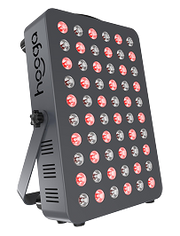
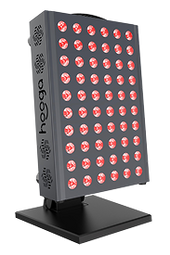
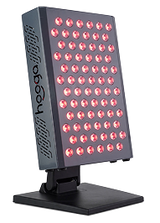
HG vs PRO vs ULTRA Series Comparison Chart |
 |
 |
 |
|---|---|---|---|
| HG Series | PRO Series | ULTRA Serires | |
| Timer |  |
|
|
| Industry Leading Irradiance | |
|
|
| 3 Year Warranty | |
|
|
| Clinically Proven Wavelengths | |
|
|
| Modular Connectivity For Large Arrays |  |
|
|
| Mobile Stand Compatible | |
|
|
| Advanced Flicker Free Drivers | |
|
|
| LEDs | SINGLE | DUAL | QUAD |
| Carrying Handle | |
|
|
| Pulse Capability | |
|
|
| Adjustable Brightness | |
|
|
| Additional Wavelengths | |
|
|
| Remote Control | |
|
|
Frequently Asked Questions
How does red light therapy work?
Red and near-infrared light therapy — also known as photobiomodulation — involves exposing the body to specific wavelengths of light that may stimulate cellular energy production. Research suggests that wavelengths in the 660nm (red) and 850nm (near-infrared) range are absorbed by mitochondria in cells, which may support the production of ATP (adenosine triphosphate), the molecule cells use for energy. When cells have more energy available, the body may be better equipped to carry out its natural processes — from tissue repair to managing inflammation.
What are the best wavelengths for red light therapy?
The two most studied wavelengths are 660nm (visible red) and 850nm (near-infrared). 660nm is associated with surface-level benefits, while 850nm may penetrate deeper into muscle and joint tissue. Some panels add 630nm and 810nm for broader coverage — these are backed by a growing body of research and are included in our ULTRA series. The 660nm + 850nm combination remains the most well-established pairing in published studies.
How long should I use a red light therapy panel?
Most research protocols use sessions of 10 to 20 minutes per target area, at a distance of 6 to 12 inches from the panel. Longer sessions are not necessarily more effective — there appears to be an optimal dose range, and exceeding it does not seem to produce additional benefit. Starting with 10–15 minutes and adjusting based on your experience is a practical approach. Consistency matters more than session length — regular daily or near-daily use is associated with the most meaningful outcomes in the research literature.
Is red light therapy safe?
Red light therapy is generally considered safe and non-invasive. It does not use ultraviolet light, so there is no risk of sunburn or UV-related skin damage. The primary precaution is eye protection — avoid looking directly at the LEDs, especially near-infrared wavelengths (850nm) which are invisible but still energetic. Dedicated goggles or simply keeping your eyes closed during facial treatments are both practical options. If you have a medical condition or take photosensitive medication, consult a healthcare provider before starting any light therapy protocol.
What is the difference between red and near-infrared light?
Red light (660nm) is visible — you can see it as a deep red glow. Research suggests it is primarily absorbed in the skin and surface tissues, where it may support collagen production and skin health. Near-infrared light (850nm) is invisible to the naked eye and penetrates deeper into the body, reaching muscle, joint, and connective tissue. The combination of both wavelengths in a single panel allows for both surface and deeper tissue exposure in one session.
How far should I stand from a red light therapy panel?
Most panels are tested and optimized for use at 6 inches from the skin, which delivers the highest irradiance. At 12 inches, irradiance drops noticeably (light intensity follows an inverse square law). For most users, the 6–12 inch range is the practical sweet spot. Some prefer slightly greater distance for comfort, especially during facial sessions or longer treatments. The closer you are, the more energy you receive per minute.
Do I need eye protection for red light therapy?
We recommend protecting your eyes during sessions, particularly when treating your face or upper body at close range. Near-infrared light (850nm) is invisible but still delivers energy that can reach the retina. Dedicated red light therapy goggles, blackout eye masks, or simply closing your eyes are all effective precautions. Hooga offers compatible protective eyewear as an accessory.
What makes Hooga different from other red light therapy brands?
Hooga panels are engineered for measurable performance at an accessible price. Every panel ships with published irradiance data (tested at 6 inches), zero EMF at treatment distance, flicker-free LED drivers, and a 3-year warranty. Our LEDs are rated for 50,000+ hours of operation. We include a tabletop stand with every PRO and ULTRA panel. We've built our reputation on delivering clinical-grade specs without the clinical-grade markup — our PRO300 starts at $299, which is $70 to $360 less than comparable 300-class panels from other leading brands.