
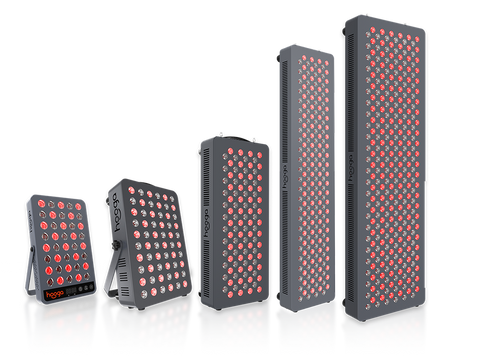
PRO Series
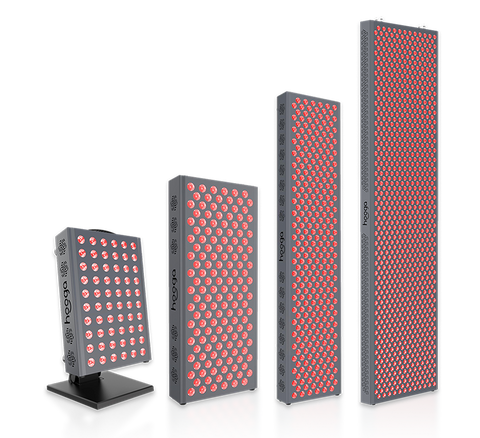
ULTRA Series
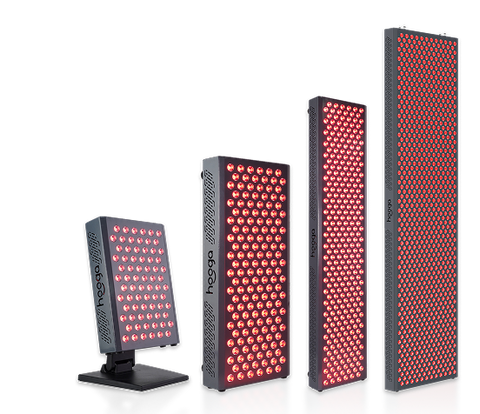
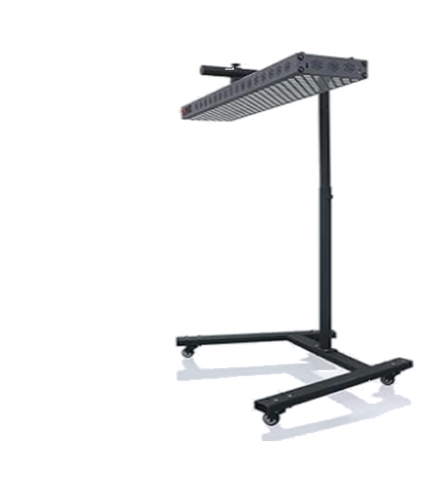
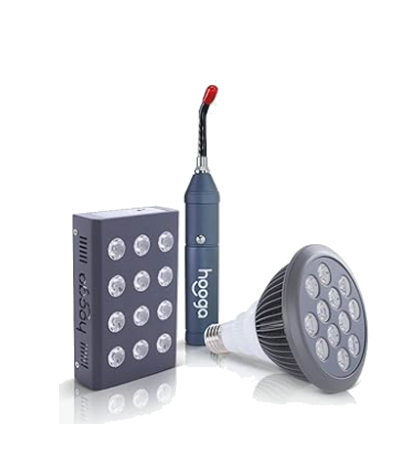
Multi-Unit Configurations
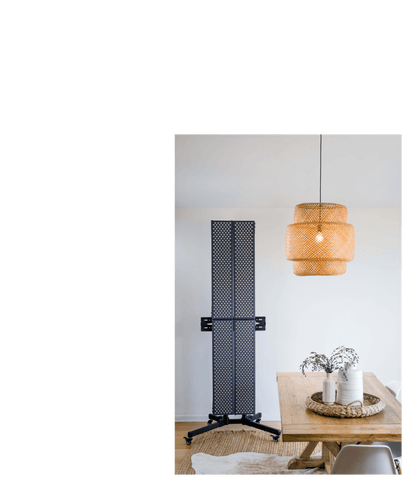

How Does Red Light Therapy Work?
Red and near infrared light therapy works by stimulating the mitochondria in our cells to produce more energy. When our cells have more energy to function, we look, feel, and perform our best.

Anti-aging effects on the skin (increased collagen production and elastic production)

Enhances Fat Loss and Improves Metabolism

Improves muscle recovery, strength, and endurance
Slows hair loss and helps with hair regrowth
Lowers Inflammation in the Body and Decreases Pain

Increases energy
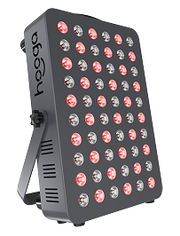
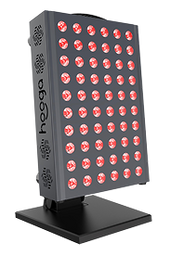
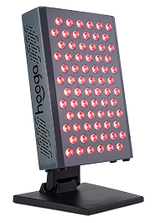
HG vs PRO vs ULTRA Series Comparison Chart |
 |
 |
 |
|---|---|---|---|
| HG Series | PRO Series | ULTRA Serires | |
| Timer |  |
|
|
| Industry Leading Irradiance | |
|
|
| 3 Year Warranty | |
|
|
| Clinically Proven Wavelengths | |
|
|
| Modular Connectivity For Large Arrays |  |
|
|
| Mobile Stand Compatible | |
|
|
| Advanced Flicker Free Drivers | |
|
|
| LEDs | SINGLE | DUAL | QUAD |
| Carrying Handle | |
|
|
| Pulse Capability | |
|
|
| Adjustable Brightness | |
|
|
| Additional Wavelengths | |
|
|
| Remote Control | |
|
|
Red Light Therapy Panels for Home Use
Looking for the right red light panel for your home? Whether you're exploring red light therapy at home for the first time or upgrading from an older device, choosing the right panel starts with understanding a few key specs.
Red light therapy panels are the most effective way to deliver therapeutic wavelengths of red and near-infrared light at home. Unlike handheld wands or masks that cover small areas, a panel delivers consistent, high-irradiance light across a meaningful treatment zone — making it practical for targeted therapy, half-body sessions, or full-body coverage depending on the size you choose.
Hooga red light therapy panels are engineered around the two most-researched wavelengths in photobiomodulation — 660nm (red) and 850nm (near-infrared) — with our ULTRA series adding 630nm and 810nm for broader spectral coverage. Every panel in our lineup delivers zero EMF at treatment distance, flicker-free operation, and is backed by a 3-year warranty.
How to Choose a Red Light Therapy Panel
The red light therapy panel market has grown rapidly, and specs can be confusing. Here's what actually matters when comparing panels:
Wavelengths
The combination of 660nm and 850nm is the most established pairing in published research. 660nm is a visible red wavelength associated with surface-level tissue response, while 850nm is a near-infrared wavelength that may penetrate deeper into muscle and joint tissue. Some panels add wavelengths like 630nm, 810nm, or 940nm — these are backed by emerging research and can broaden the therapeutic window, but the 660/850nm foundation is where the strongest evidence base exists.
Irradiance (Power Density)
This is the single most important spec — and the one most often obscured. Irradiance, measured in mW/cm² at a stated distance (usually 6 inches), tells you how much light energy actually reaches your skin. A panel with high wattage but low irradiance is wasting electricity, not delivering therapy. Look for 100+ mW/cm² at 6 inches for clinical-grade output.
EMF and Flicker
Any device used inches from your body for 10–20 minutes at a time should produce near-zero electromagnetic field emissions at treatment distance. Flicker-free LED drivers prevent the imperceptible strobing that can cause eye strain or discomfort during longer sessions. Both are quality indicators, not premium upsells.
Panel Size and Coverage
A 300W-class panel covers one to two body zones per session — face, chest, back, or legs. It's the most popular starting size. For half-body or full-body coverage in a single session, a 1500W-class panel (typically 36"+ tall) or a multi-panel configuration is the practical solution.
Warranty
Panels rated for 50,000+ hours should be backed by at least a 2–3 year manufacturer warranty. Warranty length signals how much confidence the brand has in its own engineering.
Hooga vs the Competition
We believe in transparency. Here's how our most popular panel — the PRO300 — compares to leading competitors on verified, manufacturer-stated specs:
| Feature | Hooga PRO300 | MitoRed MitoPRO 300+ | MitoRed MitoPRO 300X | PlatinumLED BIOMAX 300 | Joovv Solo 3.0* |
|---|---|---|---|---|---|
| Price | $299 | $369 | $449 | $659 | $1,699 |
| Irradiance @ 6" | 109 mW/cm² | >130 mW/cm² | >130 mW/cm² | 160 mW/cm² | >100 mW/cm² |
| Wavelengths | 660nm, 850nm | 630, 660, 830, 850nm | 590, 630, 660, 810, 830, 850nm | 480, 630, 660, 810, 830, 850, 1060nm | 660nm, 850nm |
| LEDs | 60 dual-chip | 60 | 120 chips (60 lens) | 100 | 150 |
| EMF | Zero (0.0 µT) at 6" | Low EMF (claimed) | Low EMF (claimed) | 0.0 µT @ 4" | Not specified |
| Flicker-Free | Yes | Yes (claimed) | Yes (claimed) | Not specified | Not specified |
| Stand Included | Yes (tabletop) | Yes (tabletop) | Yes (tabletop) | No (sold separately) | Yes (floor stand) |
| Warranty | 3 years | 3 years | 3 years | 3 years | 2 years |
*The Joovv Solo 3.0 is a larger panel (36" tall, 150 LEDs) and is not a direct size-class comparison to the 300-class panels listed here. Joovv does not currently offer a 300-class panel. It is included for reference as one of the most recognized brands in the space.
At $299, the Hooga PRO300 delivers clinical-grade irradiance with zero EMF, flicker-free drivers, and a stand included — at a price point $70 to $360 below comparable 300-class competitors. The MitoRed MitoPRO 300+ is a solid option if additional wavelengths (630nm, 830nm) are a priority, while the MitoPRO 300X adds 6 wavelengths and touchscreen controls at a higher price. The PlatinumLED BIOMAX 300 offers 7 wavelengths and high irradiance, though at more than double the price and without an included stand. The Joovv Solo 3.0 is a well-built panel with strong brand recognition and IEC 60601 medical certification, but at $1,699 it sits in a different price tier entirely.
All competitor specs sourced from manufacturer product pages as of April 2026. Irradiance measurement methods vary by manufacturer (solar meter vs. spectroradiometer), which can produce significantly different readings for the same panel. Prices subject to change.
Which Hooga Panel Is Right for You?
| Your Goal | Recommended Series | Best Starting Panel |
|---|---|---|
| Try red light therapy at an accessible price | HG Series | HG300 — 73 mW/cm², 660nm & 850nm |
| Daily targeted therapy with clinical-grade power | PRO Series | PRO300 — 109 mW/cm², dual-chip, our best seller |
| Full-body coverage in one session | PRO Series | PRO1500 — 189 mW/cm², 300 dual-chip LEDs |
| Advanced features: pulse mode, adjustable brightness, 4 wavelengths | ULTRA Series | ULTRA360 — 132 mW/cm², touchscreen, 1–9999 Hz pulse |
| Full-body with advanced controls | ULTRA Series | ULTRA1500 — 165 mW/cm², 300 quad-chip LEDs |
| Maximum coverage for home studio or clinic | Multi-Unit | PRO4500 or ULTRA4500 configuration |
The PRO Series is where most customers land. It delivers the core performance specs — high irradiance, dual-chip LEDs, flicker-free drivers — at a price point that makes daily use practical. The PRO300 is our best seller for a reason: it's the best ratio of verified power output to price in its class.
The ULTRA Series adds 4 wavelengths (630nm, 660nm, 810nm, 850nm), pulse mode from 1–9999 Hz, adjustable brightness, and touchscreen controls. It competes directly with premium panels from brands like MitoRed and PlatinumLED — at a meaningfully lower price point.
Frequently Asked Questions
How does red light therapy work?
Red and near-infrared light therapy — also known as photobiomodulation — involves exposing the body to specific wavelengths of light that may stimulate cellular energy production. Research suggests that wavelengths in the 660nm (red) and 850nm (near-infrared) range are absorbed by mitochondria in cells, which may support the production of ATP (adenosine triphosphate), the molecule cells use for energy. When cells have more energy available, the body may be better equipped to carry out its natural processes — from tissue repair to managing inflammation.
What are the best wavelengths for red light therapy?
The two most studied wavelengths are 660nm (visible red) and 850nm (near-infrared). 660nm is associated with surface-level benefits, while 850nm may penetrate deeper into muscle and joint tissue. Some panels add 630nm and 810nm for broader coverage — these are backed by a growing body of research and are included in our ULTRA series. The 660nm + 850nm combination remains the most well-established pairing in published studies.
How long should I use a red light therapy panel?
Most research protocols use sessions of 10 to 20 minutes per target area, at a distance of 6 to 12 inches from the panel. Longer sessions are not necessarily more effective — there appears to be an optimal dose range, and exceeding it does not seem to produce additional benefit. Starting with 10–15 minutes and adjusting based on your experience is a practical approach. Consistency matters more than session length — regular daily or near-daily use is associated with the most meaningful outcomes in the research literature.
Is red light therapy safe?
Red light therapy is generally considered safe and non-invasive. It does not use ultraviolet light, so there is no risk of sunburn or UV-related skin damage. The primary precaution is eye protection — avoid looking directly at the LEDs, especially near-infrared wavelengths (850nm) which are invisible but still energetic. Dedicated goggles or simply keeping your eyes closed during facial treatments are both practical options. If you have a medical condition or take photosensitive medication, consult a healthcare provider before starting any light therapy protocol.
What is the difference between red and near-infrared light?
Red light (660nm) is visible — you can see it as a deep red glow. Research suggests it is primarily absorbed in the skin and surface tissues, where it may support collagen production and skin health. Near-infrared light (850nm) is invisible to the naked eye and penetrates deeper into the body, reaching muscle, joint, and connective tissue. The combination of both wavelengths in a single panel allows for both surface and deeper tissue exposure in one session.
How far should I stand from a red light therapy panel?
Most panels are tested and optimized for use at 6 inches from the skin, which delivers the highest irradiance. At 12 inches, irradiance drops noticeably (light intensity follows an inverse square law). For most users, the 6–12 inch range is the practical sweet spot. Some prefer slightly greater distance for comfort, especially during facial sessions or longer treatments. The closer you are, the more energy you receive per minute.
Do I need eye protection for red light therapy?
We recommend protecting your eyes during sessions, particularly when treating your face or upper body at close range. Near-infrared light (850nm) is invisible but still delivers energy that can reach the retina. Dedicated red light therapy goggles, blackout eye masks, or simply closing your eyes are all effective precautions. Hooga offers compatible protective eyewear as an accessory.
What makes Hooga different from other red light therapy brands?
Hooga panels are engineered for measurable performance at an accessible price. Every panel ships with published irradiance data (tested at 6 inches), zero EMF at treatment distance, flicker-free LED drivers, and a 3-year warranty. Our LEDs are rated for 50,000+ hours of operation. We include a tabletop stand with every PRO and ULTRA panel. We've built our reputation on delivering clinical-grade specs without the clinical-grade markup — our PRO300 starts at $299, which is $70 to $360 less than comparable 300-class panels from other leading brands.
Why Hooga
Hooga was built on a straightforward idea: red light therapy should be accessible without compromising on the specs that actually matter. Our panels deliver verified irradiance in the clinical-grade range, zero EMF at treatment distance, and flicker-free operation — all backed by a 3-year warranty and 50,000+ hour LED lifespan.
We publish our specs because we're confident in them. We include a stand because you shouldn't have to buy one separately. And we price our panels so that effective red light therapy at home isn't reserved for people willing to pay $500+ for a comparable panel from a bigger brand.
Thousands of customers use Hooga panels daily for their personal wellness routines. We ship free within the USA and stand behind every panel we sell.